Finding Hope Among the Misty Hills of Mizoram
“Sometimes we travel to discover new places. Sometimes we travel to rediscover ourselves.”
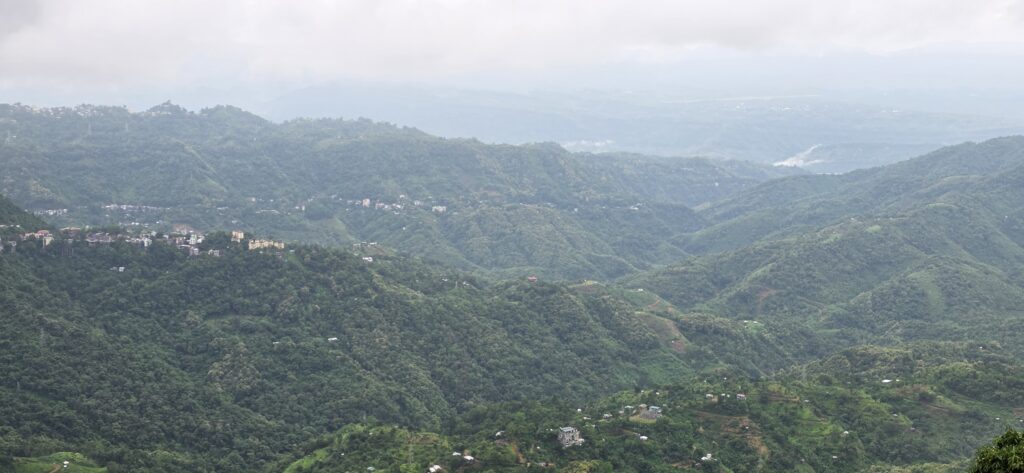
The aircraft descended through thick monsoon clouds before touching down at Lengpui Airport. Endless green mountains surrounded the runway as drifting mist softened every distant ridge. Although I had travelled across India for decades, nothing prepared me for this first glimpse of Mizoram. Six years earlier, I would have turned to my wife and asked her to admire the view. This time, I shared the moment in silence. That quiet arrival marked the true beginning of this journey and inspired “Come Back if Possible” (Return if possible – RIP – Regi). Travel can never replace someone we lose, but it gently reminds us that life still holds beauty worth discovering. Over the past six years, every journey has taught me resilience, gratitude, and the courage to keep moving forward.
https://www.instagram.com/reel/Dafv42aTgln/?igsh=ZW53ajBtOWV3aWV6
Most travellers visit Mizoram in pleasant weather. I deliberately chose the wettest month. Friends warned me about relentless rain, slippery roads, and landslides, but their warnings only strengthened my resolve. Rain has always calmed my restless mind rather than disturbed it. I wanted to experience Mizoram exactly as nature intended, not through postcard skies but through mist, silence, and solitude. After arranging my Inner Line Permit, flights, and a guest house overlooking the valley, I set off with quiet anticipation. Every journey begins long before departure, with the decision to step away from familiar routines and embrace the unknown.

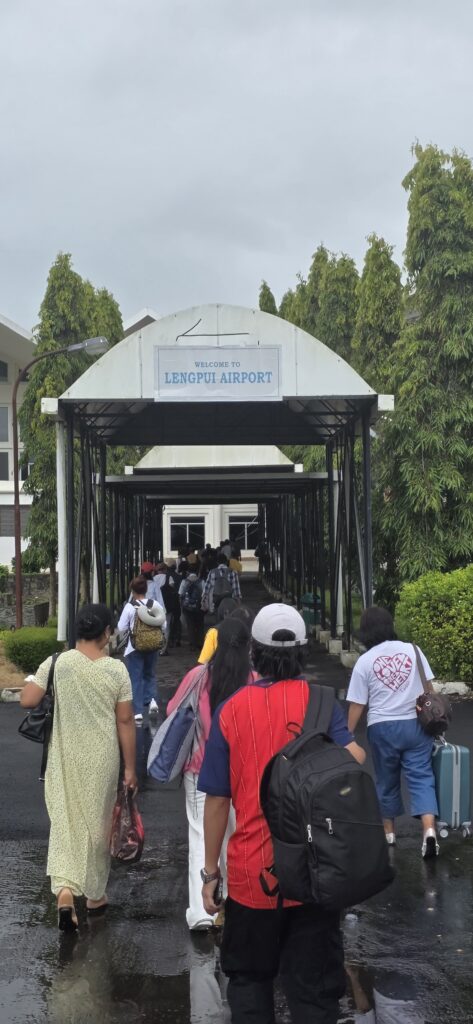
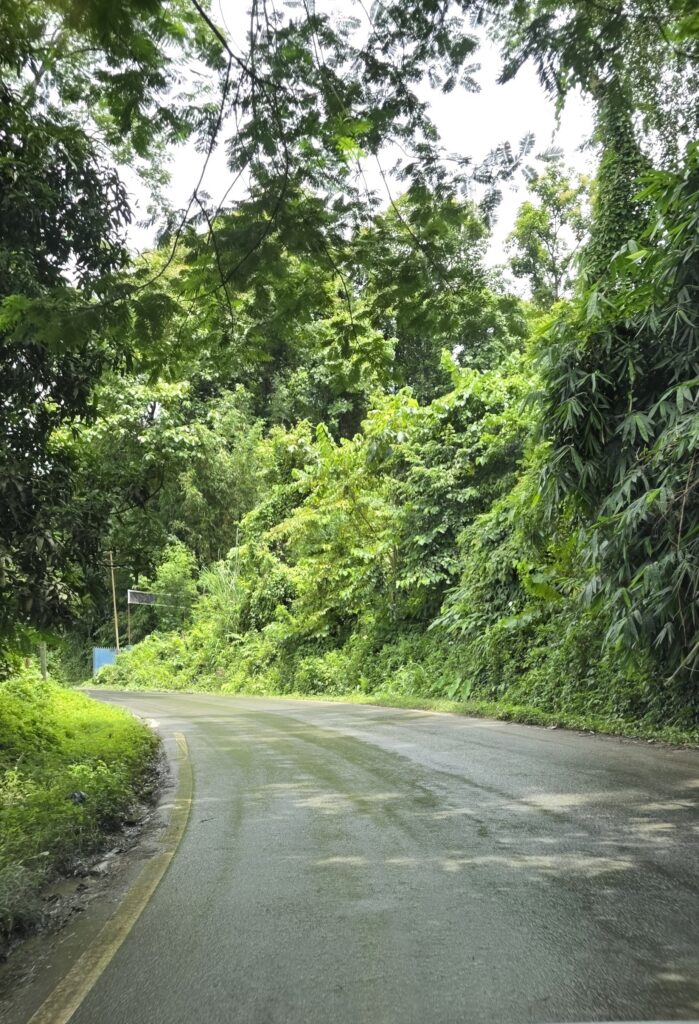
Outside the airport, gentle rain welcomed every traveller. The cool mountain air carried the scent of wet earth and forests as my taxi climbed towards Aizawl. Every bend revealed colourful homes clinging to steep hillsides, while mist drifted through the valleys below. The city seemed to grow naturally from the mountains. What struck me most was the silence. There was no unnecessary honking, impatient drivers, or rush-hour traffic. Life moved calmly despite the narrow roads and constant rain. Watching local people continue their routines with quiet confidence reminded me that some places choose harmony over haste. Before long, my thoughts had settled into the same peaceful rhythm.
https://www.instagram.com/reel/DaiLLahzKV9/?utm_source=ig_web_copy_link&igsh=MzRlODBiNWFlZA==
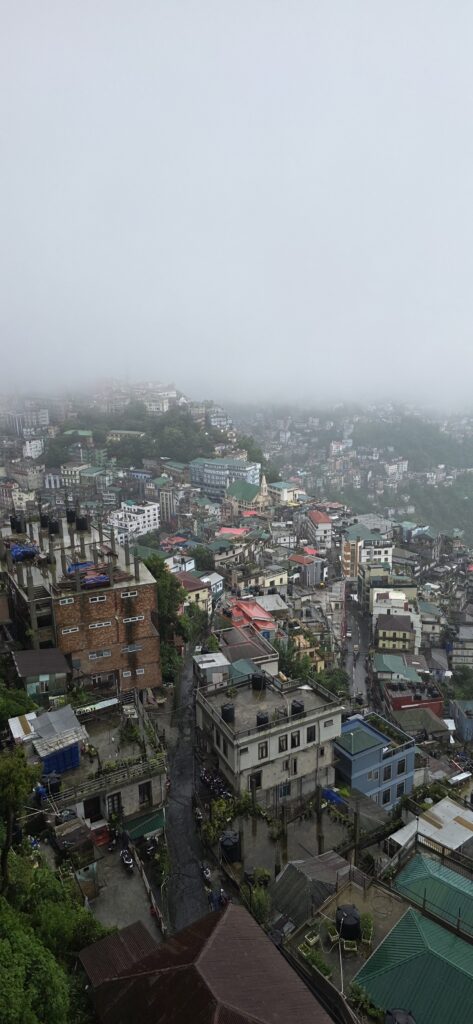
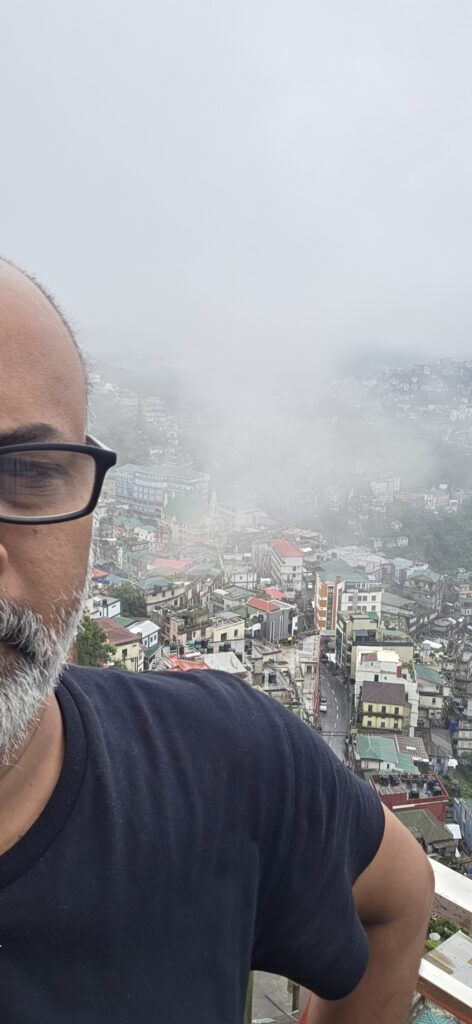
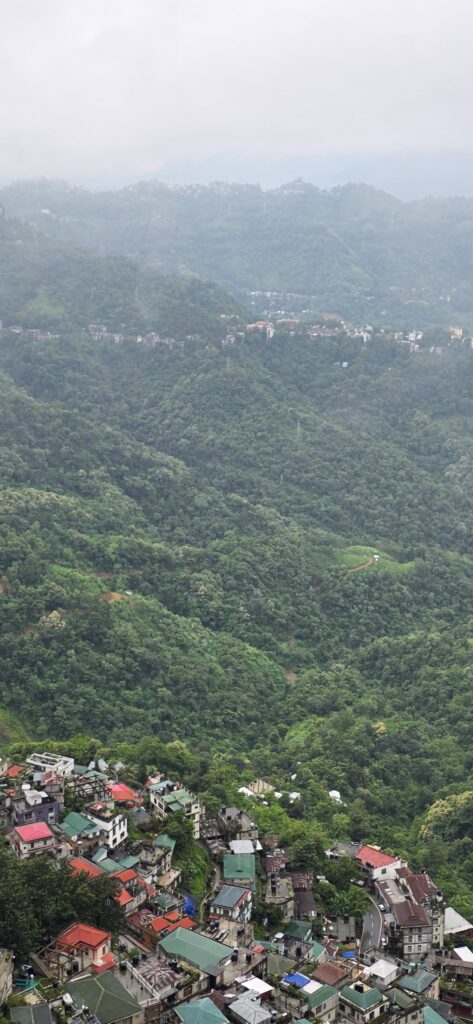
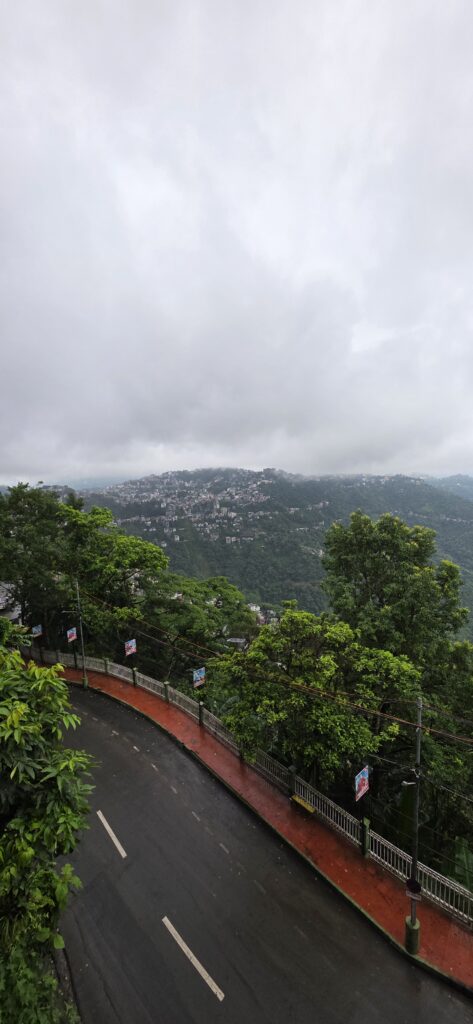
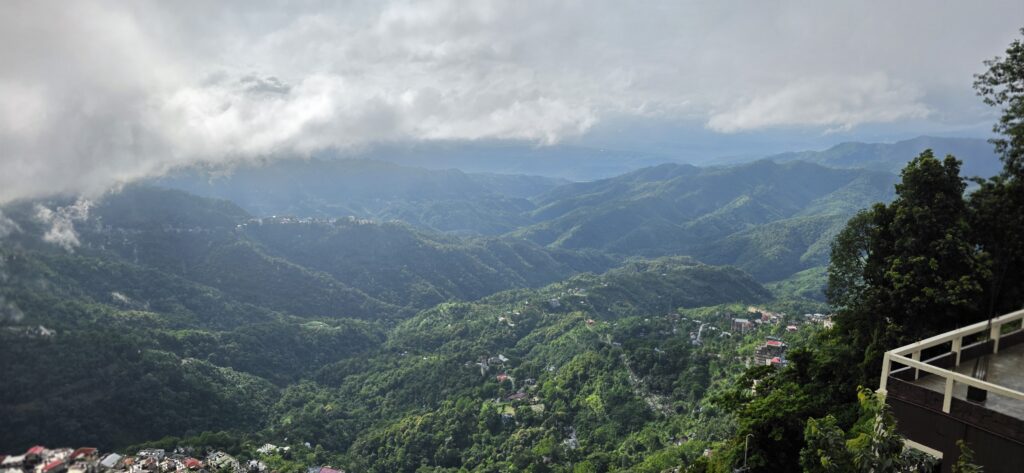
My guesthouse overlooked a mist-covered valley no luxury hotel could have improved upon. I stood on the balcony, watching clouds drift between the hills, before even thinking about unpacking. Some views deserve full attention before they become photographs. Although the early flight had left me tired, curiosity won over common sense. Every unfamiliar city deserves an unplanned first walk, and Aizawl rewarded that decision immediately. I hired a bike taxi to Red Pepper Restaurant, where the steep roads quickly revealed why walking here required as much determination as fitness.
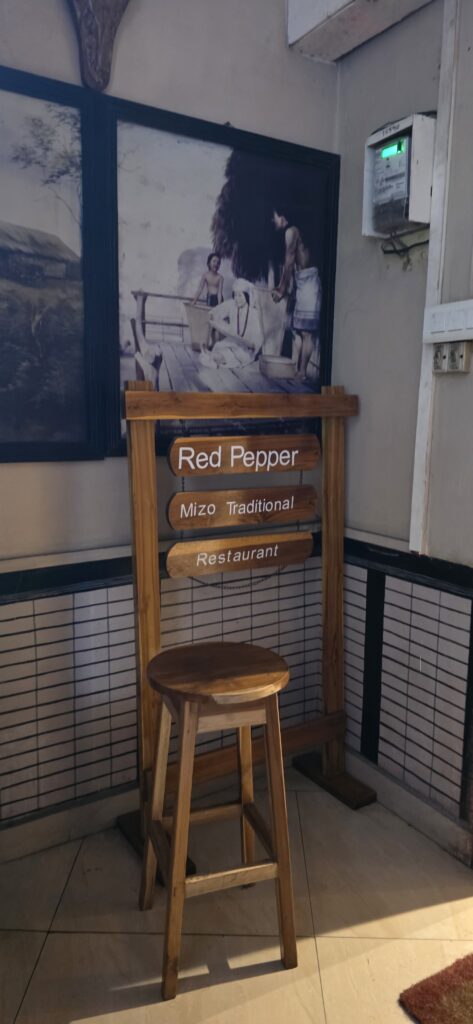
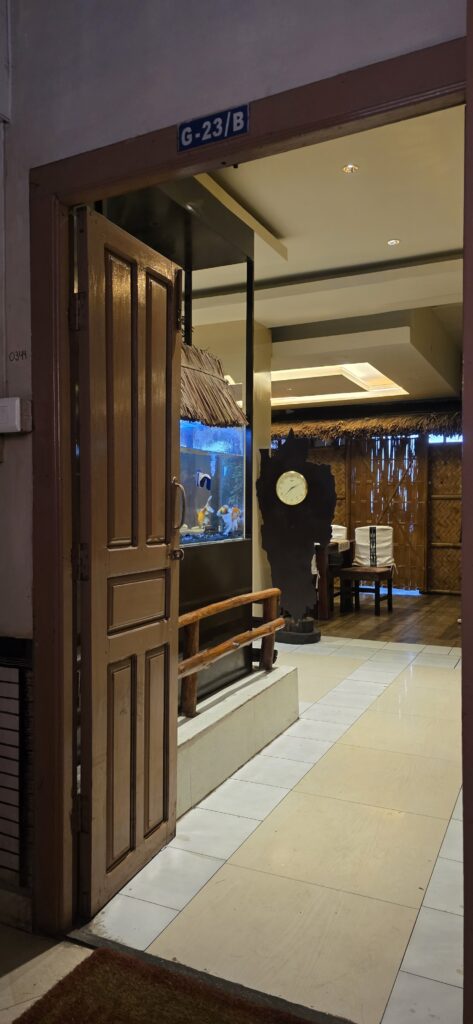
Red Pepper captured everything I hoped to experience in Mizoram. Families lingered over lunch as conversations flowed unhurriedly. I ordered pork soup and a traditional Mizo thali, and every bite reflected the region’s landscape, climate, and culture. Fresh ingredients and simple preparation spoke louder than elaborate recipes. Good food often tells stories museums cannot. That meal reminded me that understanding a destination begins with its everyday life. Mizoram welcomed me through its cuisine long before I visited its famous landmarks.

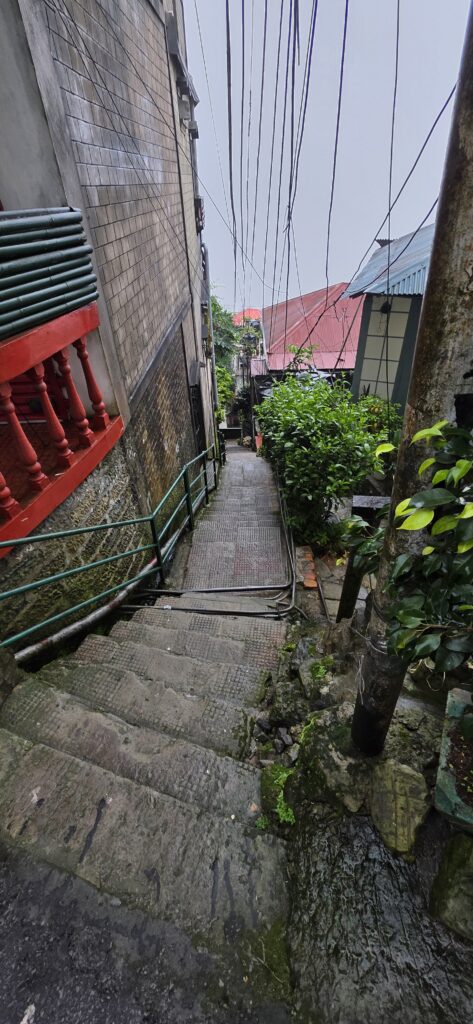
After lunch, I set out to find a popular thrift shop recommended online. The steep lanes and hidden stairways soon left me completely lost. Before I could ask for help, a young schoolgirl noticed my confusion and guided me through narrow walkways to the shop. Although the shop itself disappointed me, her kindness became one of the most memorable moments of the trip. That simple gesture reminded me that we rarely remember destinations for their famous landmarks alone. We remember them because ordinary people quietly leave extraordinary impressions.
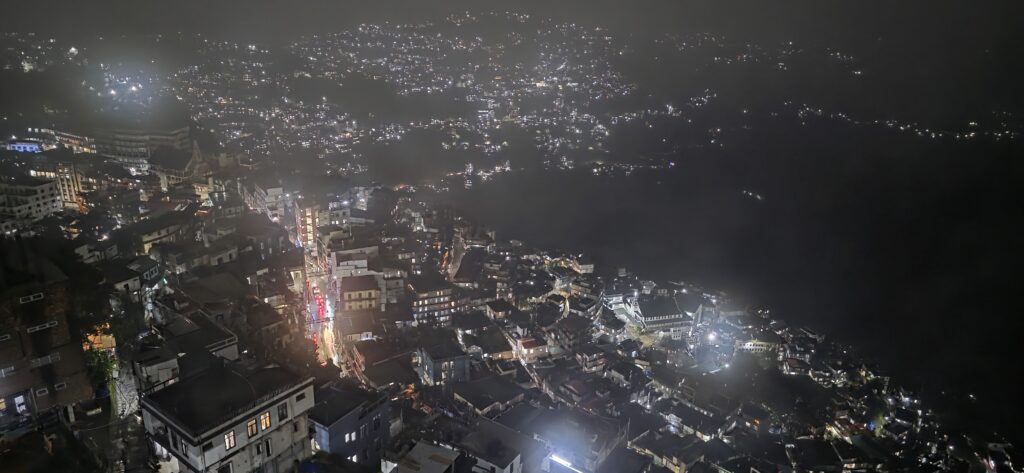
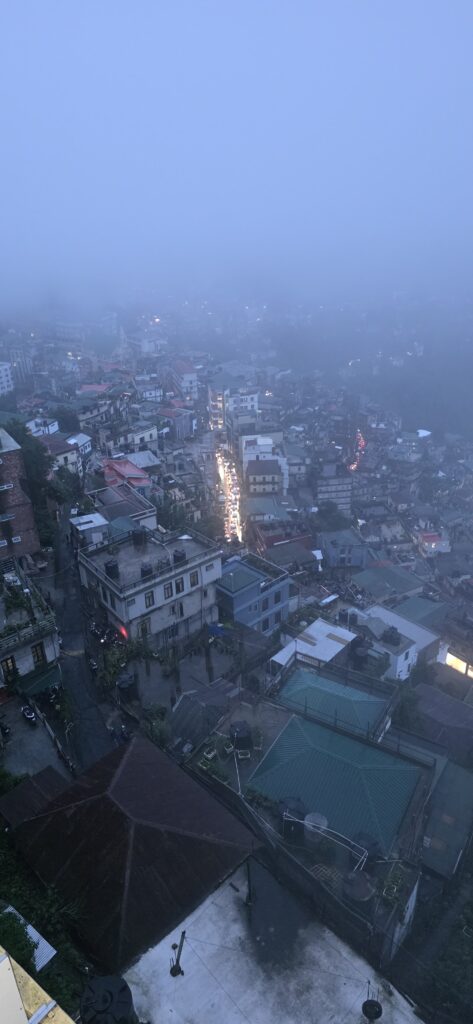
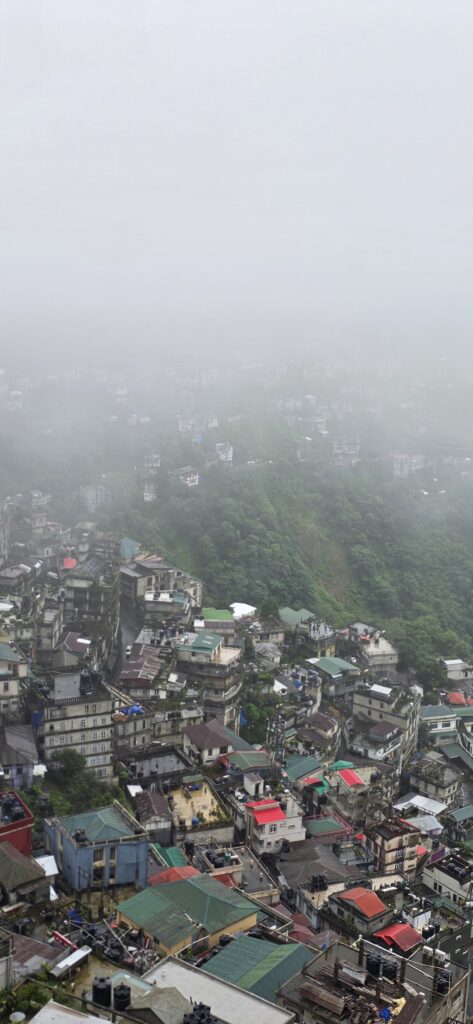
By evening, rain once again wrapped Aizawl in drifting mist as hundreds of lights lit the surrounding hills. Standing silently on the balcony, I watched church towers emerge from the clouds as the city settled into its peaceful rhythm. Nothing extraordinary had happened during the day. I had simply travelled, enjoyed local food, met kind people, and wandered unfamiliar streets. Yet those ordinary experiences had already begun to change something within me. Healing rarely arrives in dramatic moments. It often begins quietly, one journey at a time. That evening, Return If Possible – RIP became more than the title of my memoir. It became a promise to keep travelling, keep remembering, and keep living with gratitude as the mountains of Mizoram slowly revealed their deeper story.
Rain, Reflection, and the Roads Less Travelled
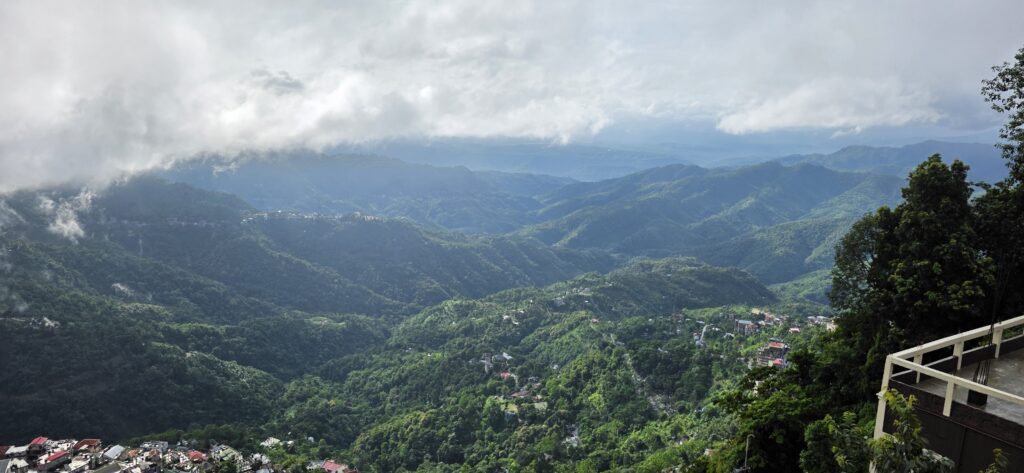
I woke before sunrise to the soothing rhythm of rain tapping against my window. Overnight, thick mist had swallowed the valley, hiding yesterday’s distant hills behind floating clouds. While many travellers might have postponed sightseeing, I felt exactly the opposite. Mizoram deserved to be experienced during the monsoon, when rain gave the landscape its true character. After a simple breakfast overlooking the valley, I packed my camera, umbrella, and raincoat before hiring a taxi to Solomon Temple. Watching clouds drift across the mountains, I realised my thoughts had slowed. Deadlines, phone calls, and unfinished work no longer occupied my mind. The hills had quietly set their own pace, and I was happy to follow.
https://www.instagram.com/reel/DahQnBizwqZ/?utm_source=ig_web_copy_link&igsh=MzRlODBiNWFlZA==


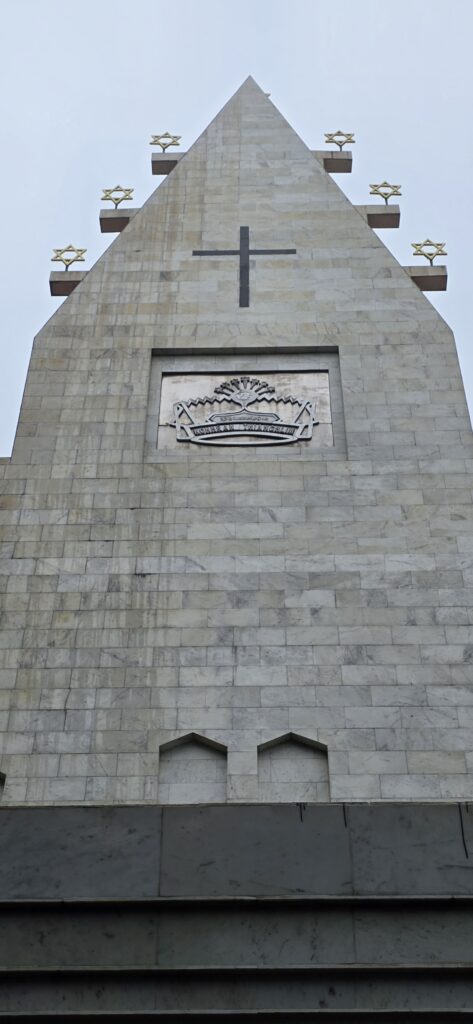
My driver assured me the temple looked even more beautiful in the rain. As we climbed higher, narrow roads wound through forests and peaceful neighbourhoods while mist transformed every bend into a new landscape. Soon, the brilliant white Solomon Temple emerged gracefully from the clouds, standing proudly against the lush green hills. Families explored the grounds without hurry, and silence seemed to belong naturally to the place. Raindrops shimmered across its white walls while drifting clouds constantly changed the backdrop. Walking through the spacious complex, I realised the temple was more than an architectural landmark. It was a place where nature and spirituality existed in perfect harmony.
Standing quietly near the entrance, I instinctively turned towards the empty space beside me. For a brief moment, I almost began a conversation before remembering I was travelling alone. My wife always appreciated places that encouraged silence and reflection. I imagined how much she would have loved the gentle rain, cool mountain air, and breathtaking surroundings. Surprisingly, the memory brought gratitude instead of sadness. Time had changed grief into quiet companionship. Solomon Temple reminded me that some journeys continue long after the people who first dreamed them together.
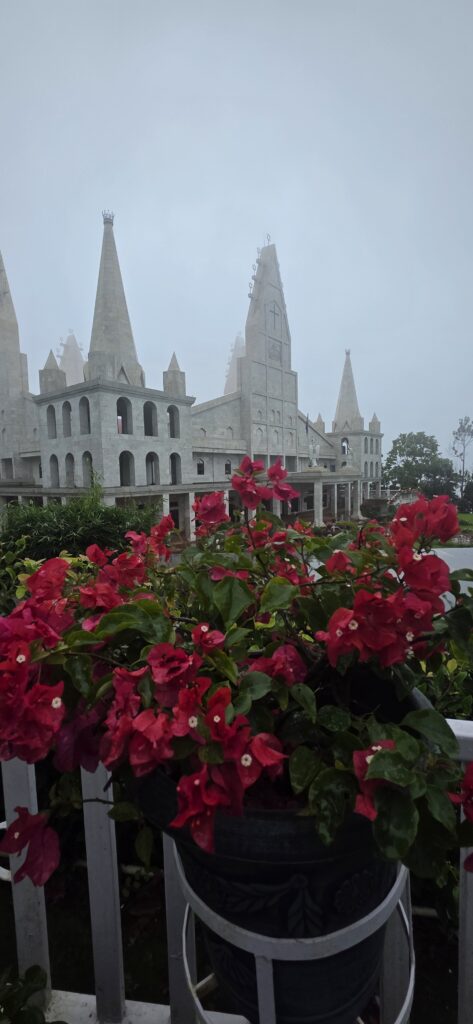
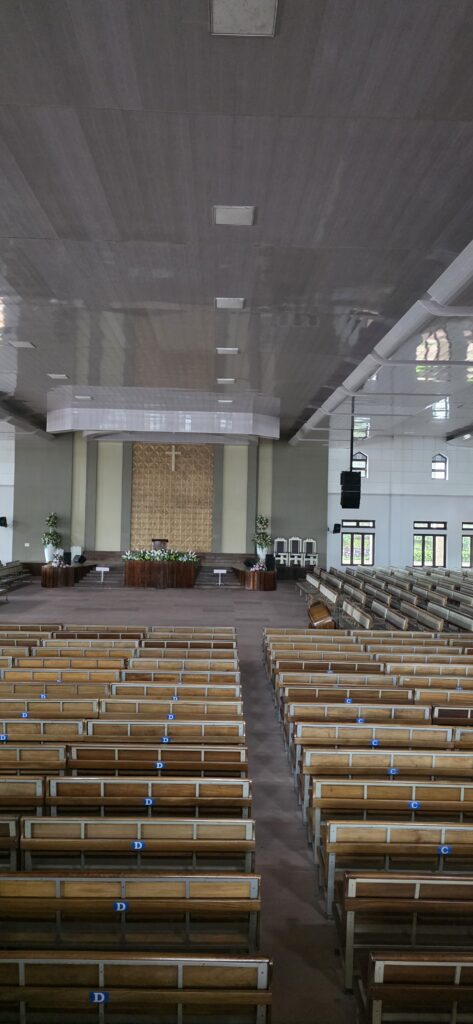
As we prepared to leave, the rain eased, revealing patches of blue sky. On impulse, I asked my driver whether we could continue to Durtlang before returning to Aizawl. He smiled immediately, as though expecting the request. The road climbed steadily through rolling hills and scattered villages, where every viewpoint tempted us to stop. Although I took several photographs, many moments simply refused to fit inside a camera frame. Their beauty belonged to memory rather than technology.
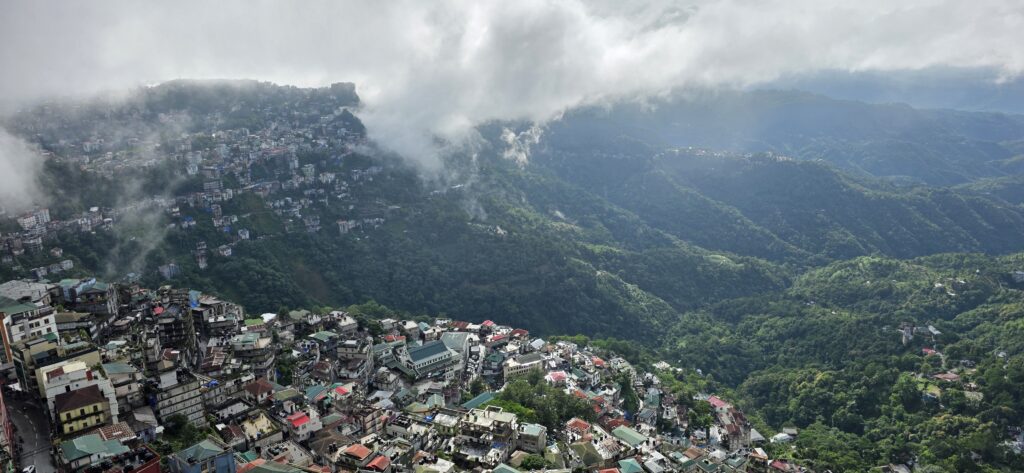
Durtlang exceeded every expectation. From the viewpoint, Aizawl stretched gracefully across countless hillsides, with colourful homes climbing towards the clouds. Rain drifted across the landscape before giving way to brief bursts of sunlight that transformed the city every few minutes. Around noon, the quiet roads filled with cheerful schoolchildren wearing bright green sweaters beneath colourful raincoats. Their laughter echoed through the mist as they walked home, completely unbothered by the weather. Watching them reminded me that happiness rarely depends on perfect conditions. Children naturally embrace whatever the day brings, while adults spend years learning the same lesson.
https://www.instagram.com/reel/DanbuT3yrBc/?utm_source=ig_web_copy_link&igsh=MzRlODBiNWFlZA==
As we continued through Durtlang, we passed the Doordarshan television studio overlooking the valley. The building blended effortlessly into its surroundings, while church spires emerged through the drifting mist. Unlike many popular hill stations, Durtlang remained peaceful and untouched by commercial tourism. Although the region is home to several impressive attractions, it was the mountains that stole the spotlight and became the true centrepiece of our journey. I asked my driver to stop several times simply to admire the scenery. Photography has always been part of my travels, yet I found myself taking fewer pictures. Some experiences deserve complete attention instead of constant documentation. I realised I no longer travelled to collect destinations. I travelled to collect moments, because places may fade from memory, but the emotions they create endure.
As we descended towards Aizawl, rain once again wrapped the hills in familiar mist. Looking back, I realised something within me had quietly changed. The mountains had taught patience, the rain had taught acceptance, and the people had shown kindness without expecting anything in return. Mizoram revealed itself through simple experiences rather than dramatic attractions, making every discovery feel deeply personal. Before returning to the guest house, my driver suggested one final stop. “You cannot leave Mizoram without understanding its people,” he said. He recommended the Mizoram State Museum, explaining that beautiful landscapes introduce a destination, but its people give it meaning. Curious to discover that deeper story, I gladly asked him to take me there.
As my cab driver was so accommodating and kind, I invited him to have lunch with me, and he hesitated but agreed. We started with soup, and I enquired about his family; he said his wife had passed away 6 years ago from a chronic illness. He mentioned that his wife’s mother never visited his dying wife in hospital, nor did his daughter make any effort to visit her during his wife’s last days in hospital. I felt sorry for him and wondered what kind of mother and daughter they were who didn’t have the time or compassion to visit their own mother and daughter. I was able to relate it to mine.
Leaving Durtlang behind, we slowly descended towards the heart of Aizawl. The rain had eased, although thick clouds still lingered above the hills. My driver spoke proudly about the people of Mizoram and suggested one final stop before returning to the guest house. “You have seen our mountains,” he said with a smile. “Now you should understand our people.” His words stayed with me as we pulled into the Mizoram State Museum. Every destination has a story beyond its landscapes. Museums often preserve those stories better than guidebooks ever can. Curious to understand the people who had welcomed me so warmly, I stepped inside with no particular expectations. By the time I walked out, I realised the museum had quietly transformed the way I viewed Mizoram.

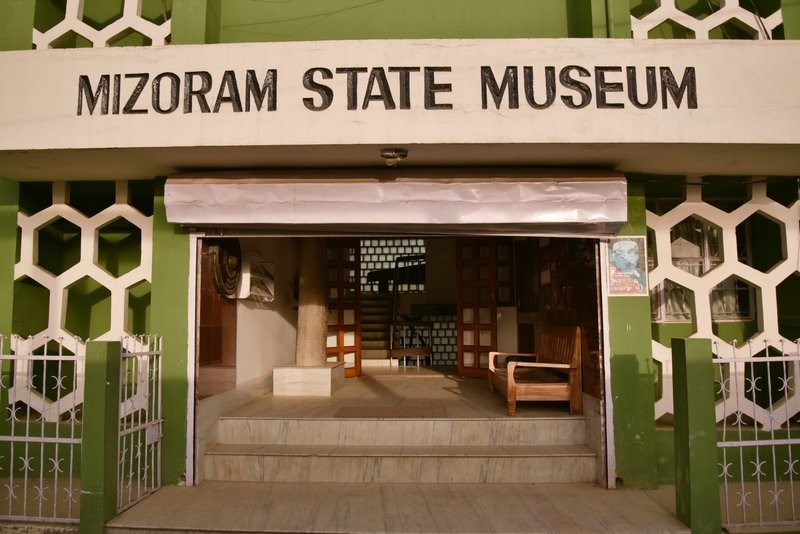
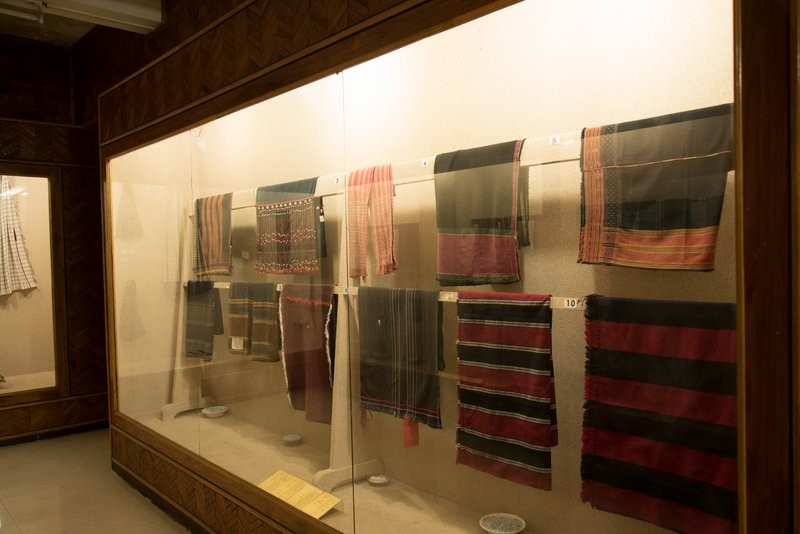
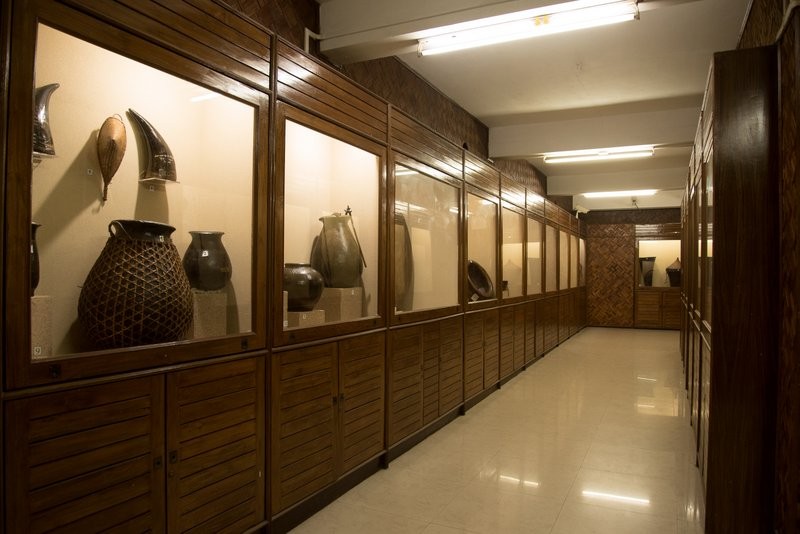
Unlike many state museums across India, the Mizoram State Museum felt refreshingly simple and inviting. There were no noisy crowds or hurried visitors, only galleries that encouraged quiet observation and appreciation. Traditional Mizo attire immediately caught my attention with its vibrant colours and intricate weaving. Nearby displays featured musical instruments, hunting equipment, handcrafted ornaments, and household tools that reflected generations of practical wisdom. Rather than celebrating kings or dynasties, every exhibit honoured ordinary people and their everyday lives. That approach made the experience deeply personal and reminded me that every culture is shaped by communities whose stories deserve to be remembered.
As I explored the galleries, everything I had experienced outside suddenly made sense. The disciplined roads, spotless streets, warm hospitality, and quiet dignity of daily life were rooted in the values preserved here. Exhibits traced the evolution of tribal communities while celebrating music, festivals, agriculture, family traditions, and shared responsibility. I spent nearly two hours wandering through the museum without feeling rushed. One gallery, dedicated to family life, touched me deeply. It stirred memories of my wife, who believed museums revealed the true heart of every destination. I could almost hear her explaining details I might have overlooked, and for the first time on the trip, I smiled as I thought of her.
When I stepped outside, the rain had stopped, and patches of blue sky brightened Aizawl. Shopkeepers welcomed customers, children walked home from school, and neighbours paused to chat without hurry. Time seemed to move gently with the people rather than race ahead of them. Inspired by the experience, I stopped at a local restaurant for another traditional Mizo meal. Families talked freely around the tables, untouched by mobile phones or hurried schedules. Watching them reminded me that the smallest moments often reveal the deepest cultural values. In Mizoram, hospitality felt effortless because it was simply a way of life.
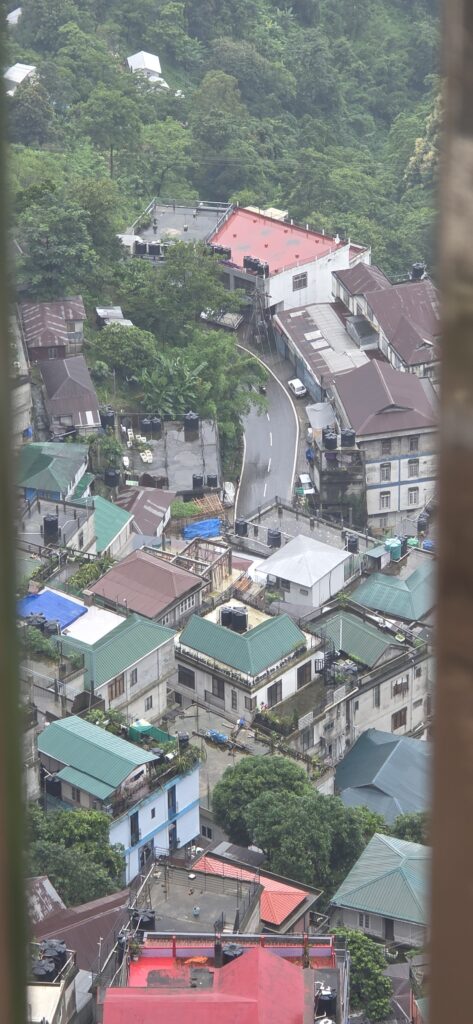
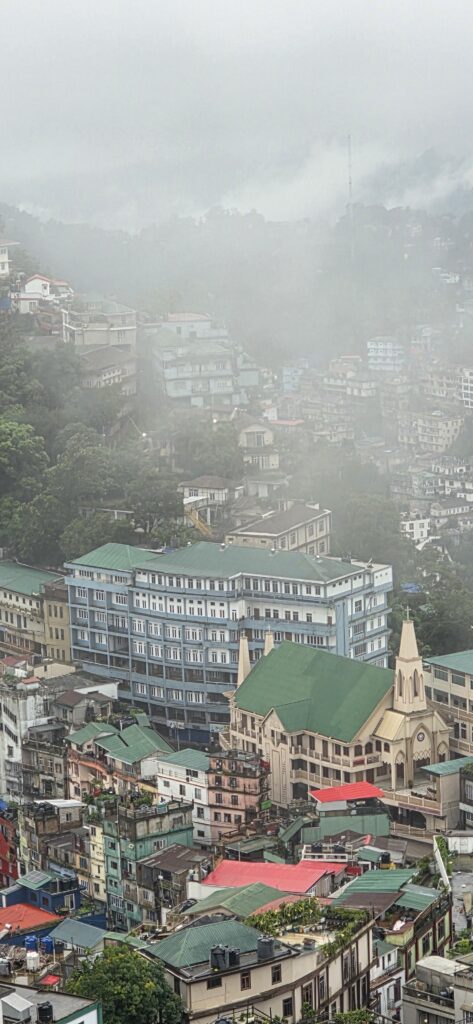
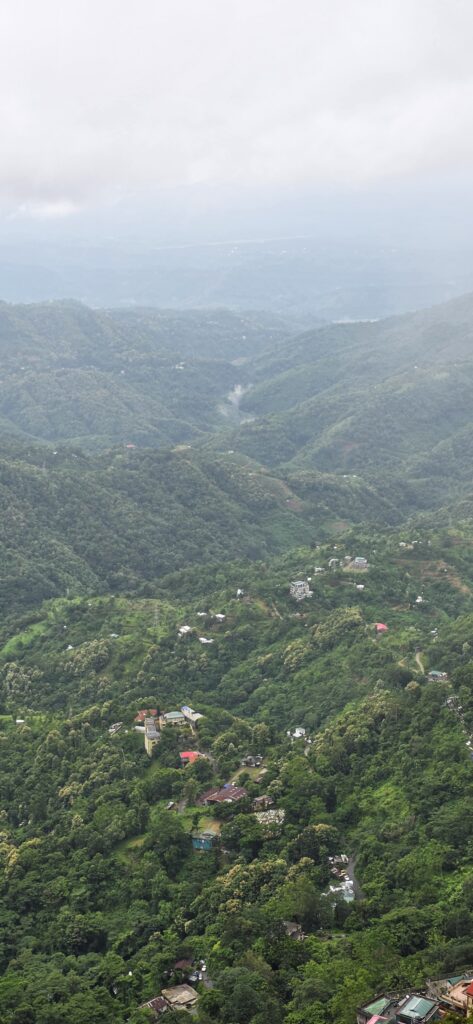
By late afternoon, dark clouds gathered again above the mountains. I booked a bike taxi and returned to the guest house before the rain grew heavier. The familiar route no longer felt unfamiliar. Roads that had seemed confusing on my first day now felt strangely comforting. I recognised churches, cafés, schools, and neighbourhoods as we passed them. Without realising it, Aizawl had begun to feel less like a destination and more like a temporary home. That quiet sense of belonging surprised me. Few places create that feeling in just a few days.
Back at the guest house, I opened the balcony doors and settled into my favourite chair, overlooking the valley. Rain returned almost immediately, washing across the mountains in soft grey curtains. As darkness fell, hundreds of lights appeared across the hillsides, transforming the city into a breathtaking display of tiny stars. The view changed each evening, shaped by the movement of clouds and rain. I could have spent hours simply watching the landscape shift without a word. Some destinations encourage activity. Others invite stillness. Aizawl offered both, though I found myself appreciating the stillness far more.
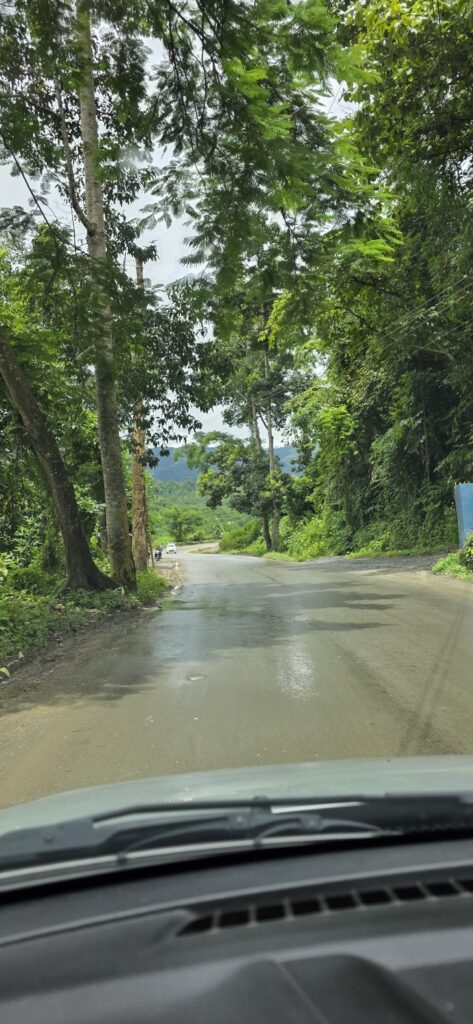

Curious about another facet of local culture, I ordered a bottle of Mizoram’s locally produced fruit wine. The state has a distinctive relationship with wine, encouraging locally produced wines while maintaining strict regulations. The wine arrived chilled, with the subtle aroma of fresh fruit rather than the sharp tang of spirits. I poured a small glass and stepped out onto the balcony. The gentle sweetness suited the cool mountain evening perfectly. It tasted authentic, much like everything else I had experienced on the journey. Nothing here seemed designed to impress visitors. Instead, everything reflected honesty, simplicity, and pride in local traditions. That authenticity became one of Mizoram’s greatest strengths.


Sitting quietly with a glass of local wine, I watched the rain drift across the valley, reflecting on the past six years. Grief had changed many things, but it had never taken away my curiosity. If anything, it had deepened my appreciation for simple moments. In earlier years, I travelled to see famous places. Today, I travel to understand people, appreciate silence, and collect meaningful experiences. Those changes did not happen overnight. They arrived gradually, shaped by loss, time, and countless journeys across unfamiliar landscapes. Mizoram became another important chapter in that ongoing transformation.
I thought about the dreams my wife and I once shared. We had planned many journeys together, and life allowed us to complete only some of them. Mizoram would certainly have been on that list. Rather than regret, I felt grateful for every destination we had explored together and for the courage to continue travelling alone. Every journey now carries a part of her memory. Every new place quietly honours the dreams we once shared. That realisation brought unexpected peace. Love does not disappear when someone leaves this world. It simply learns to travel differently.
As the evening drew to a close, the rain finally eased to a gentle drizzle. The valley grew quieter, and the lights across the hills shimmered through the mist like distant lanterns. Tomorrow would be my final full day in Mizoram. Shopping, conversations, and reluctant goodbyes still awaited me. Yet I already sensed that leaving Aizawl would be far harder than arriving. Some destinations impress us with their beauty. Others quietly become part of who we are. Mizoram had already begun to do exactly that.
A Farewell That Was Never Goodbye
My final morning in Aizawl arrived sooner than I expected. The gentle sound of rain had become so familiar that I almost failed to notice it. I opened the balcony doors before sunrise and looked towards the valley one last time. Thick clouds drifted effortlessly between the hills as church steeples emerged from the mist. The city looked exactly as it had when it welcomed me a few days earlier, yet everything felt different. The mountains had not changed. The rain had not changed. Only I had. That quiet realisation stayed with me as I enjoyed my final cup of tea, overlooking one of the most peaceful cities I had ever visited.
Unlike previous mornings, there was no urgency to start sightseeing. My plan was simple. I wanted to spend my final day wandering the city without an itinerary. Some of the most memorable travel experiences happen when we stop chasing attractions and simply become part of a place. After breakfast, I packed a small backpack, left the larger suitcase at the guest house, and hired a taxi to CORZ, one of Aizawl’s well-known thrift stores. Friends had recommended it before my journey, and local residents had confirmed it was worth visiting. The drive itself felt strangely comforting, as many of the roads were already familiar.



CORZ was far larger than I expected, with neatly arranged shelves filled with clothing and accessories from around the world. Shopping here felt like a treasure hunt, where every rack offered unexpected discoveries. After some patient searching, I found a few shirts that fitted perfectly. They were inexpensive, yet they became meaningful souvenirs that will always remind me of Mizoram’s rain-soaked mountains, winding roads, and warm-hearted people.
From CORZ, I headed to K-Mart near Millennium Mall to pick up local spices and snacks rather than conventional souvenirs. While selecting a few items, I struck up a conversation with the owner, who had completed her postgraduate studies at Madras University. Our chat about Chennai and Aizawl reminded me that travel is ultimately about people. Destinations may attract us, but the conversations we have often become the memories we cherish most.

Before returning to the guest house, I packed a lunch from a nearby restaurant. Once again, the rain accompanied my journey across the city. By now, I no longer saw it as an inconvenience. The rain had quietly become part of my Mizoram experience. It welcomed me at Lengpui Airport, travelled with me to Solomon Temple, drifted across Durtlang, followed me through museum corridors, and now accompanied my final afternoon. Like a thoughtful companion, it appeared whenever silence felt more meaningful than conversation. Looking back, I cannot imagine this journey in bright sunshine. The monsoon gave Mizoram its character and the stillness I had been seeking.
Back at the guest house, I enjoyed lunch on the balcony overlooking the misty valley. As I packed that evening, I realised I was taking home far more than photographs and souvenirs. I carried new perspectives, unexpected friendships, and memories no camera could capture. I once measured journeys by the number of places visited. Today, I measure them by the emotions they leave. Mizoram had not dramatically transformed my life, but it had quietly restored an inner calm I had been missing for years.
Losing my wife six years ago changed every aspect of my life. For a long time, I believed healing meant leaving grief behind. This journey taught me something very different. Healing is not about forgetting someone we love. It is about carrying their memory without letting sadness become our permanent destination. Every meaningful journey now includes her in a different way. The beautiful landscape I encounter feels incomplete because I instinctively picture her by my side. Every unfamiliar dish makes me wonder whether it would have brought a smile to her face. Every act of kindness reminds me of how deeply she valued the goodness in people. Love does not disappear after loss. It simply learns to travel in silence.
The following morning brought another blanket of mist over Aizawl. I checked out of the guest house, thanked the staff for their warm hospitality, and began the drive back towards Lengpui Airport. The familiar mountain roads seemed reluctant to let me go. Every bend revealed another view worth remembering. Every village reminded me of conversations, smiles, and quiet moments that had slowly become part of my story. I found myself looking out of the taxi window more than speaking. Sometimes silence expresses gratitude more honestly than words ever can.


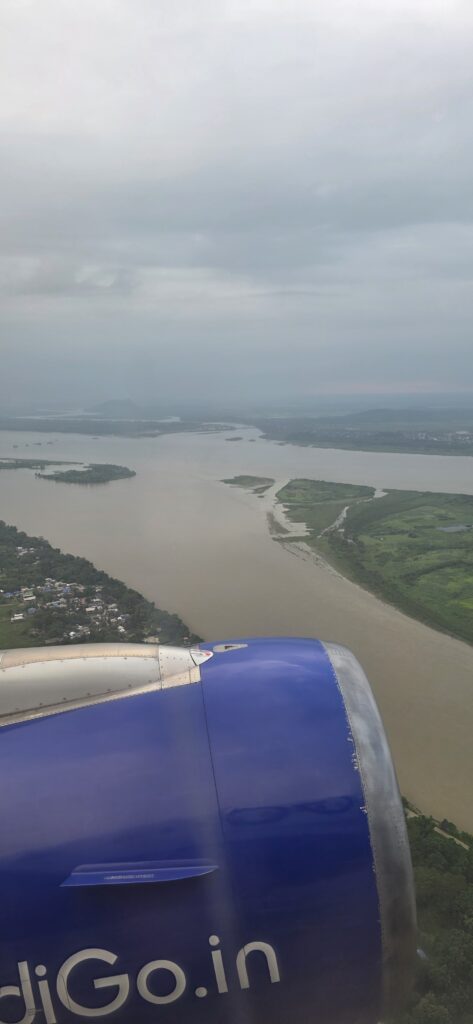
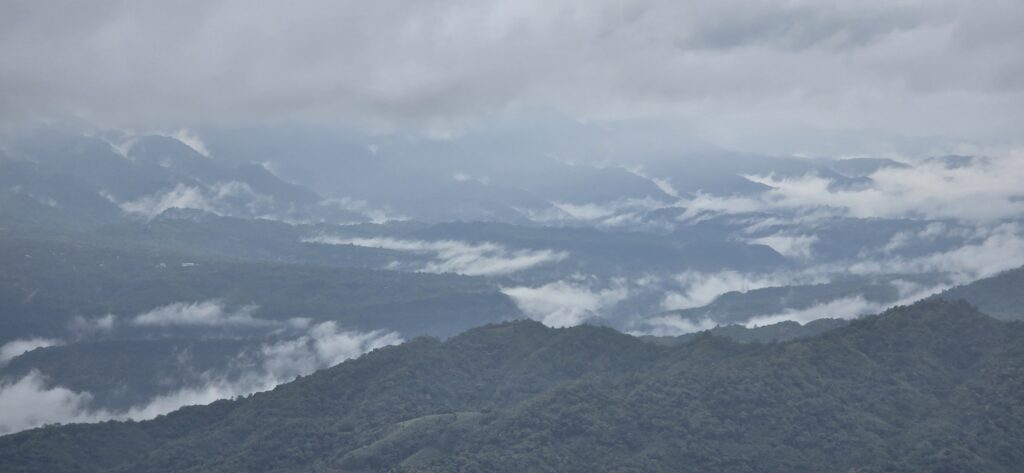
As Lengpui Airport came into view, I realised how much I had changed since arriving. I had come seeking peace but left with renewed hope, calmer thoughts, and a deeper appreciation for life’s simple gifts. Mizoram had not erased my grief; instead, it taught me that grief and gratitude can coexist, one reminding us of what we have lost and the other of what still remains. As the aircraft climbed above the rain-soaked mountains, I looked down one last time as the valleys disappeared beneath drifting clouds. I smiled quietly, knowing this was not a farewell, because some places never leave us, even after we have left them.
https://www.instagram.com/reel/Dasb8tuTFtG/?utm_source=ig_web_copy_link&igsh=MzRlODBiNWFlZA==
Mizoram gave me beautiful photographs, unforgettable landscapes, and memories that will stay with me forever. More importantly, it reminded me that healing often begins with a single decision to keep moving forward. Every journey becomes an act of hope, and every destination an opportunity to rediscover ourselves. If my story encourages even one grieving traveller to pack a bag and explore again, this journey has found a purpose beyond my own life.
As the clouds closed beneath the aircraft, I whispered the words – “Come Back if Possible” (Return if possible – RIP – Regi) that had accompanied me throughout this remarkable journey. They were not words of goodbye. They were words of hope, gratitude, and quiet faith that some places deserve another visit and that some memories deserve another conversation.
https://www.instagram.com/reel/Da4qeXOzTqf/?utm_source=ig_web_copy_link&igsh=MzRlODBiNWFlZA==
The narrative , with its fine details, was so vivid that I felt I was roaming through Mizoram myself. Indeed, beauty cannot be fully captured by technology. Likewise, words can scarcely capture the beauty, love, and emotions you have so beautifully shared.
I found myself noting down certain phrases that deserve to be revisited—not only for their literary elegance but also for the profound lessons they offer for life.
Yes, I too was imagining how dear Regi would have responded to the wonders of Mizoram.
God bless you. Shalom.
Thank you, Anna, for your kind words and encouragement. They truly motivate me to keep writing and sharing my experiences.